





 RoboForex
 Alpari
 XM
XM Exness
 Forex.com
 FP Markets
 3 mins read


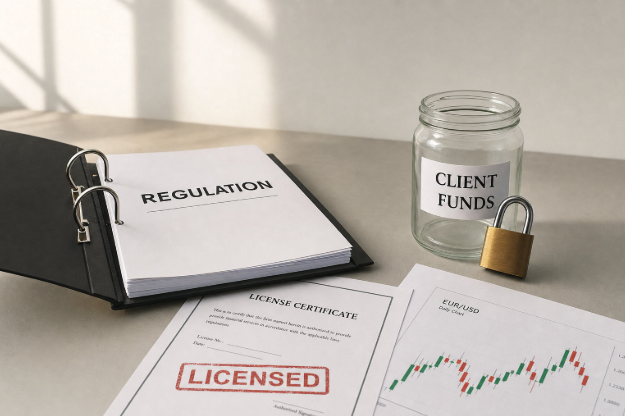
Regulation serves as the foundation for trust and safety when engaging with forex brokers and trading CFDs. Oversight from authorities shapes broker conduct, influencing trading conditions, the handling of deposited funds, and the nature of client protections. Understanding how regulation works provides greater clarity for making informed decisions and may contribute to a safer trading experience.
Forex and CFDs expose traders to fast-moving markets and significant risks, making effective oversight important. For those entering the industry, recognizing the purpose and function of regulation is essential to evaluating a broker’s integrity and standards. For example, when verifying whether a provider’s client portal is part of a licensed entity, Click here to review the account access area linked to that broker’s regulatory setup. Safeguards established under regulatory regimes are intended to help protect client capital, support transparent trading conditions, and lower the risk of unfair practices. Understanding how authorities set expectations for brokers is key for anyone assessing the safety of trades and funds.
The role of global regulators in forex markets
Regulators are responsible for enforcing laws and standards that organize the retail forex and CFDs sector. These bodies operate at the national level, setting country-specific licensing requirements, capital thresholds, and compliance norms for brokers operating with local clients.
Some brokerages obtain licenses across several countries to expand their reach while adhering to various compliance standards. The distinction between regulated and unregulated entities can affect the transparency and legal recourse available to clients. Regulated brokers are subject to ongoing oversight and rules concerning their operations, while unregulated ones may lack these requirements.
Safeguarding client funds and disclosure practices
Safeguarding client money is a fundamental regulatory principle. Regulators often require that brokers keep client funds separate from company money, known as segregation, which may help protect client assets if a broker experiences financial difficulties. Custody arrangements and prompt processing of withdrawal requests are further measures designed to manage risk for traders.
Requirements for transparency oblige brokers to provide clear risk warnings, fee disclosures, and accessible execution policies. This level of openness is intended to help clients understand potential costs and risks before trading. Brokers are generally expected to update documents to reflect current trading conditions and provide clarity for their clients.
Leverage controls and trader protection measures
Limits on leverage and margin are among the key mechanisms for managing forex risks. Authorities set limits on available leverage to help reduce the potential for excessive risk-taking. Because high leverage can magnify both profits and losses, these limits are intended to curb exposure to significant market swings.
Regulatory requirements may include real-time monitoring to prevent accounts from becoming over-leveraged, and margin close-out rules to automatically reduce positions when losses near available funds. Margin close-out rules, when combined with negative balance protection, are designed to help prevent account losses from exceeding deposits. These measures are common in many regulated retail broker environments.
Regulation’s influence on brokerage operations and limits
Regulation applies to operational standards for brokers. Licensed providers may be required to meet capital reserve thresholds, maintain financial reporting, and undergo audits as evidence of compliance. This framework aims to help ensure that brokers have sufficient resources to meet obligations to clients during stressful market periods.
Regulatory guidance often extends to complaints handling, recordkeeping, and restrictions on certain high-risk products such as binary options. While regulatory oversight can offer increased protection for traders, it does not make brokerage services entirely risk-free. The presence of regulation is distinct from the absence of risk, making due diligence and ongoing risk management crucial for all market participants.
