





 RoboForex
 Alpari
 XM
XM Exness
 Forex.com
 FP Markets
 8 mins read


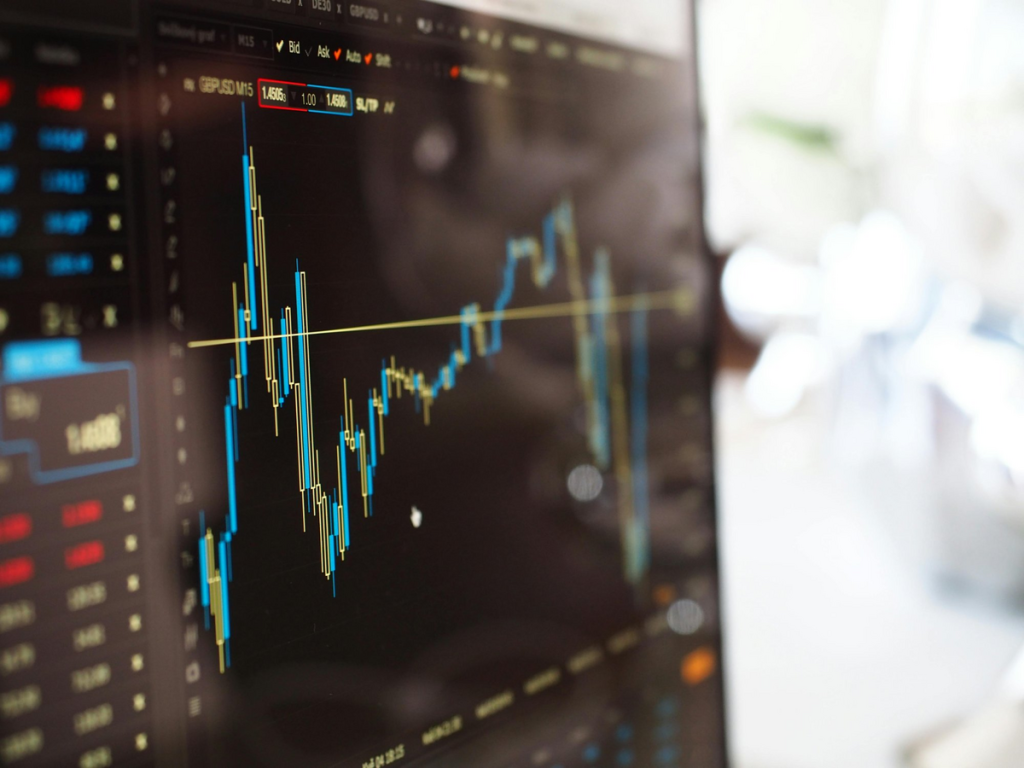
Most traders opening a new account spend the first hour hunting for the lowest possible spread. Brokerage marketing teams know this well. That is why “0.0 pips” banners are plastered across every landing page in the industry. The obsession is understandable, but it leads people down the wrong path. A tight spread is only meaningful if the volume exists to support it at the moment the order goes live.
The real cost of trading is not found in the gap between bid and ask. It lives in liquidity. Market depth determines whether an order fills at the expected price or slips several pips in the wrong direction before execution. Volume acts as a structural buffer between the trader and the market. Without it, even a modest order can send a currency pair lurching. Understanding how money actually moves through the interbank system is the foundation of profitable trading over any meaningful time horizon.
What Liquidity Actually Means in Forex
Liquidity refers to the total stack of buy and sell orders sitting at every available price point across the market. When that stack is deep, a hundred-million-dollar order can be absorbed without much visible effect on price. The major currency pairs, particularly those involving the USD, EUR, and JPY, typically offer this kind of structural thickness because they attract the highest global participation.
Liquidity is not static. It behaves more like a tide than a reservoir. It rises sharply during the London-New York session overlap, when institutional order flow from both continents floods the books simultaneously. During those four hours, execution is generally clean and predictable. Once New York closes and Asia has not yet picked up full volume, the books thin out fast. Traders who force positions during these quiet windows often encounter erratic fills, artificial-looking price jumps, and quotes that disappear before the order reaches the server.
Why Tight Spreads Can Be Misleading
A broker advertising a 0.1-pip spread is not lying, but the number is conditional. That spread exists only at a specific volume level, often a small one. If the available depth at that price is thin, a larger order will eat through it and roll into the next available price tier. The resulting fill is worse than the advertised rate.
This is slippage. It is one of the most consistent and underestimated costs in retail forex trading. A trader clicks buy at 1.1000 and gets filled at 1.1005 because the volume at 1.1000 ran out mid-order. Over ten or twenty trades a month, those extra pips erode a balance sheet faster than any stated commission ever could. A broker with a slightly wider spread but genuinely deep order flow will, in practice, cost less per trade than a broker advertising zero spreads on a shallow pool.
Market Depth and Order Book Structure
Market depth is essentially the layered inventory of the exchange at any given moment. A deep market has multiple price levels populated with buyers and sellers. When a large sell order enters the book, there are enough buyers at the next several levels to absorb it without a violent price move. This layering prevents gapping, where the price skips several pips between trades because no one was standing in between.
In a shallow market, that structure collapses. A single medium-sized order can clear the visible buyers and send the price down instantly. Professional traders at institutional desks spend significant time watching Level 2 data, which shows exactly where major volume is concentrated in the book. Retail traders generally do not have access to the full interbank order book, but they can feel depth through fill quality. Consistent slippage, lagging execution, and re-quotes are all signs that the market lacks the depth to support the activity.
Liquidity Providers and How Orders Get Filled
Most retail brokers do not hold the currency on the other side of a trade. They act as intermediaries between the client and a network of liquidity providers, typically large global banks including JPMorgan, Deutsche Bank, and similar institutions. These banks supply the live price feed that traders see on their platforms.
When an order is submitted, it gets routed to these providers for execution. A well-connected broker aggregates feeds from a dozen or more sources simultaneously, creating a competitive environment where multiple banks bid to fill the order at the best available price. This aggregation is what separates professional-grade execution from a single-provider setup. Brokers with only one or two liquidity sources see execution quality deteriorate quickly during any period of stress. The depth and diversity of a broker’s backend connections matter far more than the headline spread. Therefore, it is important to know how to choose a liquidity provider for multi-asset brokers.
Volatility, News Events, and Execution Risk
Liquidity does not dry up gradually during market stress. It disappears fast. When the Federal Reserve releases a rate decision, liquidity providers often pull their quotes within seconds. They are unwilling to offer a fixed price into a market that could move 50 pips in either direction before the order settles. With the bid side of the book temporarily empty, spreads that normally sit at 1 pip can spike to 40 or 50 pips.
Traders who attempt to position around major economic releases routinely get filled at prices that bear no resemblance to what they saw on the screen. Most experienced traders won’t touch a position until the release has landed, the knee-jerk reaction has played out, and things have settled. There’s a reason for that. Getting in at the exact moment a high-impact number hits is less trading and more just hoping — and the market tends to punish hope pretty efficiently.
Liquidity Across All Markets
The same dynamics that affect forex also operate in equities, commodities, and crypto. During stock market crashes, bid-side depth collapses as sellers overwhelm available buyers. In oil markets, geopolitical disruption can hollow out the book within minutes. Cryptocurrency markets offer the most visible version of this problem. On smaller exchanges, one large sell order can crater the price of an asset by 10% or more because there simply are not enough resting bids to absorb it.
Traders looking for stability across any asset class benefit from using safe exchanges that combine strong regulatory standing with high trading volume. Security features and compliance credentials matter, but they are not enough on their own. A platform with excellent legal protections but thin order flow leaves traders unable to exit positions at reasonable prices when the market moves against them. Deep order books provide a structural exit. They allow traders to close positions without creating their own adverse price impact. High-volume platforms also generate a reinforcing cycle: more participants bring more liquidity, which improves execution, which attracts more participants. In forex, this means prioritizing brokers with institutional-level connections over those that simply advertise well.
How Professional Traders Assess Liquidity
Professionals do not estimate liquidity. They measure it. Daily turnover figures are the baseline check. Currency pairs without several billion dollars in daily volume get filtered out before any other analysis begins. Entry timing is treated as a separate variable, not an afterthought. A trade placed at 10 AM London time operates in a fundamentally different environment than the same trade placed at 10 PM in San Francisco.
Slippage tracking is equally important. If a trader is consistently losing half a pip per trade to poor fills, that number gets addressed directly, either through a broker change or a strategy adjustment. Publications like CCN and other financial outlets have documented how liquidity shortfalls trigger flash crashes during volatile periods. For the working trader, monitoring fill quality provides more actionable data than any single technical indicator on the chart.
Practical Steps for Trading in Liquid Conditions
Stick to the major pairs. The EUR/USD is the most heavily traded instrument in the world for a reason. It offers consistent depth, tight spreads that reflect real volume, and reliable execution across most hours of the trading day. Exotic pairs involving currencies like the Turkish lira or South African rand carry significantly higher slippage costs, even when the advertised spread looks attractive.
Time entries deliberately. The London-New York overlap is the window with the most reliable execution. Check the economic calendar before trading. Liquidity often begins to contract several minutes before a major data release, as institutional participants pull orders to avoid being caught on the wrong side of the print.
Test a broker with real money before committing significant capital. Open a small live account and monitor fill quality across a week of normal conditions. If re-quotes are frequent or fills are consistently worse than the quoted price, the broker’s liquidity infrastructure is likely inadequate.
Liquidity as the Core Metric
Chasing the lowest advertised spread without examining order book depth is a structural error. The spread number visible on a dashboard is a starting point at best and a distraction at worst. What actually determines trade cost is whether the depth exists to fill the order at that price, at that size, at that moment.
Deep liquidity creates the execution consistency that serious trading requires. It transforms a potentially chaotic environment into one where entries and exits behave predictably. When the focus shifts from minimizing the headline number to finding the deepest available pool, the entire risk management framework changes. Stability becomes the target. That shift marks the transition from reactive trading to genuinely professional market participation.
