





 RoboForex
 Alpari
 XM
XM Exness
 Forex.com
 FP Markets
 3 mins read


Commodities are the raw materials that power the world, from oil that fuels cars to metals that build smartphones and renewable energy systems. For beginners, commodities might seem distant from daily life, but they influence everything from gas prices to electronics costs. In current market conditions, with global energy transitions and supply chain shifts, commodities remain essential for diversification and understanding economic cycles. Trading commodities on CFD platforms makes access simple, allowing speculation on price moves without physical ownership. This article gives a beginner-friendly overview of oil, metals, and the macro drivers behind their prices, helping new traders see why these markets still matter.
Oil: The Energy Backbone
Oil is the most traded commodity, driving transportation, manufacturing and heating worldwide. Its price affects inflation, consumer spending and currency values in oil-producing nations. In volatile periods, oil can swing 5-10% on news alone.
Supply from OPEC+ decisions and US shale production sets the tone. Demand from China, the US and emerging markets moves it higher during growth phases. Geopolitical events in the Middle East often cause sudden spikes.
Traders use oil as a macro indicator. Rising prices signal economic expansion or supply risks, falling prices indicate slowdowns or oversupply. Beginners start with oil CFDs for exposure to global energy trends.
Metals: From Gold to Copper
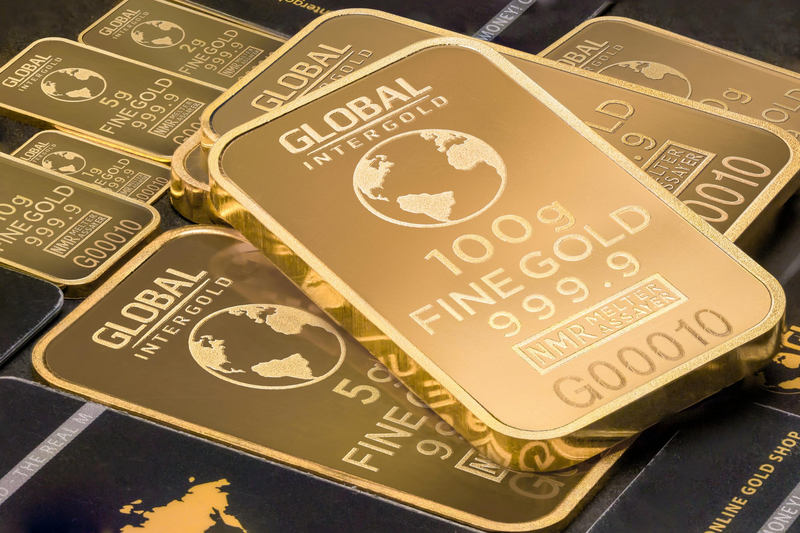
Precious metals like gold act as safe havens during uncertainty. Gold rises when stocks fall or inflation fears grow. Central bank buying and dollar weakness support long-term demand.
Base metals like copper, aluminium and nickel tie to industrial cycles. Copper, called “Dr. Copper”, rises with construction and manufacturing growth. Nickel benefits from EV battery demand, while aluminium supports green energy infrastructure.
Metals offer diversification. Gold hedges risk-off periods, copper captures growth. In developing economies, metals hedge local currency weakness and inflation.
Macro Drivers That Move Commodity Prices
Inflation is a key driver. Higher inflation favors commodities as hedges against currency erosion. Interest rates counter this, higher rates strengthen the dollar and pressure commodity prices lower.
Dollar strength has a major impact. Most commodities are priced in USD, so a weaker dollar makes them cheaper for non-US buyers, boosting demand and prices.
Global growth and industrial activity drive demand. Strong PMI readings or infrastructure spending lift base metals. Weak data causes drops.
Geopolitical events disrupt supply. Conflicts or sanctions in producing regions cause spikes, creating trading opportunities.
How Traders Engage with Commodities Today
CFDs on commodities provide leverage and short-selling without physical ownership. Beginners can start with small positions and use tight stops. Platforms offer 24/5 access, tight spreads and demo accounts for practice.
Hedging is common. Producers lock prices with futures, consumers hedge against spikes. Active traders use leverage to capture short-term moves.
Risk management is essential. Use 5x-10x leverage, risk 1-2% per trade, and monitor macro data. Copy trading helps beginners learn from pros’ commodity plays.
The table below summarizes key drivers and their impact:
| Driver | Impact on Commodities | Typical Move | Timeframe |
| Inflation | Upward pressure | 5-15% | Months |
| Dollar Strength | Downward pressure | 5-10% | Varies |
| Global Growth | Upward for base metals | 10-20% | Quarters |
| Geopolitics | Spikes on supply risks | 10-30% | Event-driven |
Conclusion
Commodities like oil, gold and copper remain essential because they reflect real economic activity and provide diversification in volatile times. Oil signals energy demand, precious metals hedge uncertainty, base metals track industrial growth. Macro drivers, inflation, dollar strength, growth and geopolitics move prices. Beginners access these markets easily with CFDs, using low leverage and strict risk controls. In today’s interconnected world, commodities aren’t old-fashioned, they are key signals for understanding and navigating global trends.
