


 RoboForex
 Exness
 Forex.com
 FP Markets
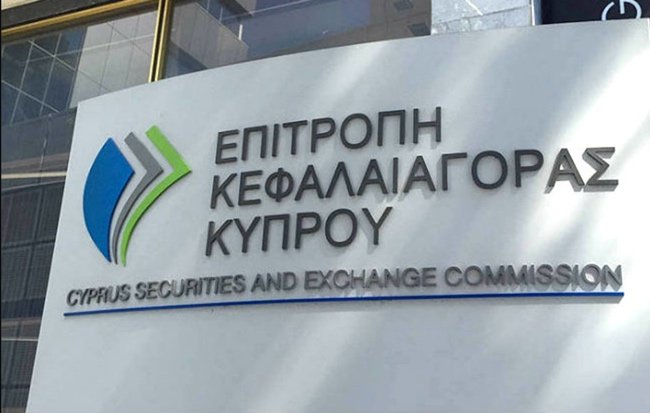
The Cyprus Securities and Exchange Commission (CySEC) is the main financial regulatory authority of Cyprus. CySEC is a Tier-1 European regulatory body that enforces strict standards for security, segregated funds, and investor protection. The following are the best CySEC-regulated brokers.
Best CYSEC Regulated Forex Brokers
Rating
Any

Rating
Bonuses
Any
Bonuses
Regulated
Any
Regulated
Investor Protection
Any
Investor Protection
All filters
Clear
Order by


Copy and Social Trading
Very Low Minimum Deposit
Multi Tier-1 Regulated Broker
Pros
-

Very Low Minimum Deposit: Traders can get started with a deposit of $5.
-
Negative Balance Protection: Traders cannot lose more funds than they have in their accounts with negative balance protection
-
Extensive Tradable Instruments: Over 2,000 tradable instruments across forex, metals, oil, indices, shares, ETFs, and crypto.
Cons
-

Promotions Not Universally Available: Some promotions are only available in selected regions.
-
Neteller Payment Delays: Neteller withdrawals are subject to a 7-business-day waiting period after a deposit.
-
Separate Site for EU Natives: EU residents are redirected to a separate, EU-regulated platform.
Withdrawal fee
$0
Deposit fee
4.8
Max leverage
1:1000
Min deposit
$5
Top Regulators
Yes
Add to compare list


trusted
Not available in

1
Expand
-
Copy and Social Trading
-
Very Low Minimum Deposit
-
Multi Tier-1 Regulated Broker
Pros
-
Very Low Minimum Deposit: Traders can get started with a deposit of $5.
-
Negative Balance Protection: Traders cannot lose more funds than they have in their accounts with negative balance protection
-
Extensive Tradable Instruments: Over 2,000 tradable instruments across forex, metals, oil, indices, shares, ETFs, and crypto.
Cons
-
Promotions Not Universally Available: Some promotions are only available in selected regions.
-
Neteller Payment Delays: Neteller withdrawals are subject to a 7-business-day waiting period after a deposit.
-
Separate Site for EU Natives: EU residents are redirected to a separate, EU-regulated platform.
- Withdrawal fee$0
- Deposit fee$0
- Max Leverage1:1000

Specialized trading accounts
Free VPS hosting
24/7 instant money withdrawal
Pros
-
Multi-Regulated Broker: XM has multiple regulations including CySEC (Cyprus), FSC (Belize and Mauritius), FSA (Seychelles), and DFSA (Dubai).
-
Variety of Bonuses: The broker offers an extensive range of bonuses including welcome, no-deposit, and seasonal offers that can boost capital and allow profit withdrawal.
-
Consistent High Leverage and Low Spreads: The company offers consistently low spreads and a high leverage even during volatile market conditions.
Cons
-
Not Available in the US: XM does not accept clients from the US. For traders based in restricted regions, it is best to look for other options.
-
Offerings May Differ Based on Location: Payment methods, trading strategies, and bonuses may vary depending on your location.
-
Inactivity Fees: XM charges a dormant fee when your account stays dormant for consecutive 90 days. You are charged an inactivity fee of $10 per month.
Withdrawal fee
$0
Deposit fee
4.8
Max leverage
1:1000
Min deposit
$5
Top Regulators
CySEC, FSCA, DFSA
Add to compare list
trusted
Not available in
2
Expand
-
Specialized trading accounts
-
Free VPS hosting
-
24/7 instant money withdrawal
Pros
-
Multi-Regulated Broker: XM has multiple regulations including CySEC (Cyprus), FSC (Belize and Mauritius), FSA (Seychelles), and DFSA (Dubai).
-
Variety of Bonuses: The broker offers an extensive range of bonuses including welcome, no-deposit, and seasonal offers that can boost capital and allow profit withdrawal.
-
Consistent High Leverage and Low Spreads: The company offers consistently low spreads and a high leverage even during volatile market conditions.
Cons
-
Not Available in the US: XM does not accept clients from the US. For traders based in restricted regions, it is best to look for other options.
-
Offerings May Differ Based on Location: Payment methods, trading strategies, and bonuses may vary depending on your location.
-
Inactivity Fees: XM charges a dormant fee when your account stays dormant for consecutive 90 days. You are charged an inactivity fee of $10 per month.
- Withdrawal fee$0
- Deposit fee$0
- Max Leverage1:1000
Auto Trading
Copy Trading
Multiregulated Broker
Pros
-
26,000+ Tradable Assets: BlackBull Markets provides access to more than 26,000 tradable instruments across 5 different asset classes.
-
Multiple Trading Platforms: Traders can use MetaTrader 4, MetaTrader 5, TradingView, cTrader, and MetaTrader WebTrader. The broker also offers proprietary BlackBull Invest and BlackBull CopyTrader platforms.
-
Extensive Variety of Tools and Third-Party Services: BlackBull offers access to VPS, ZuluTrade, Myfxbook, an Economic Calendar, and Trading Calculator.
Cons
-
Flat Administrative Fee on Swap-Free Islamic Accounts: BlackBull Markets charges a flat administrative fee on swap-free trading accounts.
-
$5 Withdrawal Fee: On every withdrawal, a withdrawal fee of $5 is applied to a trader’s account.
Withdrawal fee
$5
Deposit fee
4.8
Max leverage
1:500
Min deposit
$0
Top Regulators
Yes
Add to compare list

trusted
Not available in
Expand
-
Auto Trading
-
Copy Trading
-
Multiregulated Broker
Pros
-
26,000+ Tradable Assets: BlackBull Markets provides access to more than 26,000 tradable instruments across 5 different asset classes.
-
Multiple Trading Platforms: Traders can use MetaTrader 4, MetaTrader 5, TradingView, cTrader, and MetaTrader WebTrader. The broker also offers proprietary BlackBull Invest and BlackBull CopyTrader platforms.
-
Extensive Variety of Tools and Third-Party Services: BlackBull offers access to VPS, ZuluTrade, Myfxbook, an Economic Calendar, and Trading Calculator.
Cons
-
Flat Administrative Fee on Swap-Free Islamic Accounts: BlackBull Markets charges a flat administrative fee on swap-free trading accounts.
-
$5 Withdrawal Fee: On every withdrawal, a withdrawal fee of $5 is applied to a trader’s account.
- Withdrawal fee$5
- Deposit fee$0
- Max Leverage1:500
24/7 instant money withdrawal
Specialized trading accounts
Pros
-
High Leverage Options
-
Low Initial Deposit Requirements
Cons
-
Lack of Proper Regulation
-
Withdrawal Issues
-
Poor Customer Support
Withdrawal fee
$0
Deposit fee
4.8
Max leverage
1:3000
Min deposit
$1
Top Regulators
No
Add to compare list

trusted
Not available in
4
Expand
-
24/7 instant money withdrawal
-
Specialized trading accounts
Pros
-
High Leverage Options
-
Low Initial Deposit Requirements
Cons
-
Lack of Proper Regulation
-
Withdrawal Issues
-
Poor Customer Support
- Withdrawal fee$0
- Deposit fee$0
- Max Leverage1:3000
5


Investor protection
Doubly Insured Accounts
Not available in
Specialized trading accounts
Pros
-
Trading Accounts for Different Types of Traders: VT Markets offers STP, ECN, Cent, and Swap Free trading accounts. The company also offers a demo account for 90 days.
-
Multi Regulated Brokerage: VT Markets has multiple reputable regulations from South Africa, Dubai, and Mauritius.
-
Investor Protection and Trader Insurance: The company is a part of The Financial Commission and Compensation Fund and has Lloyd’s Insurance with coverage of over €20,000 and $1M respectively for client funds.
Cons
-
No Phone Support: VT Markets does not offer phone support.
Withdrawal fee
$0
Deposit fee
4.7
Max leverage
1:1000
Min deposit
$50
Top Regulators
Yes
Add to compare list
trusted
Not available in
Expand
-
Specialized trading accounts
Pros
-
Trading Accounts for Different Types of Traders: VT Markets offers STP, ECN, Cent, and Swap Free trading accounts. The company also offers a demo account for 90 days.
-
Multi Regulated Brokerage: VT Markets has multiple reputable regulations from South Africa, Dubai, and Mauritius.
-
Investor Protection and Trader Insurance: The company is a part of The Financial Commission and Compensation Fund and has Lloyd’s Insurance with coverage of over €20,000 and $1M respectively for client funds.
Cons
-
No Phone Support: VT Markets does not offer phone support.
- Withdrawal fee$0
- Deposit fee$0
- Max Leverage1:1000
Specialized trading accounts
Free VPS hosting
24/7 instant money withdrawal
Pros
-
Competitive Spreads
-
Comprehensive Educational Resources
-
Robust Customer Support
Cons
-
Limited Deposit and Withdrawal Options
-
Occasional Platform Glitches
-
Limited Regulatory Oversight in Certain Regions
Withdrawal fee
$0
Deposit fee
4.7
Max leverage
1:1000
Min deposit
$5
Top Regulators
No
Add to compare list

trusted
Not available in
6
Expand
-
Specialized trading accounts
-
Free VPS hosting
-
24/7 instant money withdrawal
Pros
-
Competitive Spreads
-
Comprehensive Educational Resources
-
Robust Customer Support
Cons
-
Limited Deposit and Withdrawal Options
-
Occasional Platform Glitches
-
Limited Regulatory Oversight in Certain Regions
- Withdrawal fee$0
- Deposit fee$0
- Max Leverage1:1000
7

Investor protection
100% of Your Deposit Matched in Bonus Credit
Not available in
24/7 Multilingual Customer Service
Proprietary Copy Trading App
Pros
-
Wide Range of Account Types: PU Prime provides a variety of account types designed to suit different trading styles and experience levels, from beginners to advanced traders.
-
Great Leverage: Control larger positions using minimal capital, thanks to leverage of up to 1:1000. This allows you to maximize opportunities in the market but remember, while higher leverage can enhance potential gains, it also increases risk.
-
24/7 Multi Channel Support: Round-the-clock assistance is provided by PU Prime through multiple channels, including live chat, email, and phone support. Services are offered in 18 languages, ensuring accessibility for a diverse range of traders.
Cons
-
Slightly Higher Spreads: For no-commission accounts, spreads starting at 1.3 pips are slightly higher than the industry average.
-
High Minimum Deposit: High minimum deposit for the low-spread and commission-based accounts
-
No EU Regulations: Despite being regulated by 4 authorities, including top-tier ASIC, the broker does not offer dedicated EU regulation for European clients.
Withdrawal fee
$0
Deposit fee
4.6
Max leverage
1:1000
Min deposit
$20
Top Regulators
Yes
Add to compare list
trusted
Not available in
7
Expand
-
24/7 Multilingual Customer Service
-
Proprietary Copy Trading App
Pros
-
Wide Range of Account Types: PU Prime provides a variety of account types designed to suit different trading styles and experience levels, from beginners to advanced traders.
-
Great Leverage: Control larger positions using minimal capital, thanks to leverage of up to 1:1000. This allows you to maximize opportunities in the market but remember, while higher leverage can enhance potential gains, it also increases risk.
-
24/7 Multi Channel Support: Round-the-clock assistance is provided by PU Prime through multiple channels, including live chat, email, and phone support. Services are offered in 18 languages, ensuring accessibility for a diverse range of traders.
Cons
-
Slightly Higher Spreads: For no-commission accounts, spreads starting at 1.3 pips are slightly higher than the industry average.
-
High Minimum Deposit: High minimum deposit for the low-spread and commission-based accounts
-
No EU Regulations: Despite being regulated by 4 authorities, including top-tier ASIC, the broker does not offer dedicated EU regulation for European clients.
- Withdrawal fee$0
- Deposit fee$0
- Max Leverage1:1000
MT4 & MT5 Platforms
Up to 1:1000 Leverage
From $10 Minimum Deposit
Trading Since 2008
Pros
-
Regulated by multiple authorities
-
Offers a wide range of assets, including cryptocurrencies, stocks, indexes, metals and oil
-
Multiple trading platforms are available, including MetaTrader 4, MetaTrader 5 and MetaTrader 5 web
Cons
-
Limited educational resources for beginners
-
Limited research tools
-
Limited customer support options compared to some other brokers
Withdrawal fee
$0
Deposit fee
4.4
Max leverage
1:1000
Min deposit
$10
Top Regulators
FSRA
Add to compare list
trusted
Not available in
8
Expand
-
MT4 & MT5 Platforms
-
Up to 1:1000 Leverage
-
From $10 Minimum Deposit
-
Trading Since 2008
Pros
-
Regulated by multiple authorities
-
Offers a wide range of assets, including cryptocurrencies, stocks, indexes, metals and oil
-
Multiple trading platforms are available, including MetaTrader 4, MetaTrader 5 and MetaTrader 5 web
Cons
-
Limited educational resources for beginners
-
Limited research tools
-
Limited customer support options compared to some other brokers
- Withdrawal fee$0
- Deposit fee$0
- Max Leverage1:1000
24/7 instant money withdrawal
Free VPS hosting
Specialized trading accounts
Pros
-
No obligation demo accounts with US$50,000 of virtual funds to practice with
-
24/5 Customer support available
-
Multilingual support in 14 languages
Cons
-
Limited trading platform options
-
Limited trading instruments
-
Only forex and CFD trading
Withdrawal fee
N/A
Deposit fee
4.5
Max leverage
N/A
Min deposit
N/A
Top Regulators
ASIC
Add to compare list
 Not available in
Expand
-
24/7 instant money withdrawal
-
Free VPS hosting
-
Specialized trading accounts
Pros
-
No obligation demo accounts with US$50,000 of virtual funds to practice with
-
24/5 Customer support available
-
Multilingual support in 14 languages
Cons
-
Limited trading platform options
-
Limited trading instruments
-
Only forex and CFD trading
- Withdrawal feeN/A
- Deposit feeN/A
- Max LeverageN/A
24/7 Customer Support
Very High Leverage
Pros
-
Multiple Regulations: Multi-regulated broker with licenses from Seychelles (FSA), South Africa (FSCA), Dominica (FSU), and UAE (SCA).
-
Extremely High Leverage and Low Trading Costs: You can trade with up to 1:1000, 1:2000, and even “limitless” on special accounts with negative balance protection available. TradeQuo offers spreads as low as zero pips on some major pairs (depending on the account type).
-
Extensive Range of Tradable Assets: The broker gives you access to 350+ tradable instruments over forex, stocks, indices, commodities, and cryptocurrencies.
Cons
-
Not Available in Certain Jurisdictions: The company does not accept clients from US, EU, UK, and Canada among others due to regulatory restrictions.
-
No Call Support: TradeQuo does not offer call support at the time of writing this review.
-
Islamic Account Option Only Available on Request: Islamic accounts are available but not as a standard account type. They are only available upon request.
Withdrawal fee
$0
Deposit fee
4.6
Max leverage
Unlimited
Min deposit
$1
Top Regulators
No
Add to compare list

trusted
Not available in
10
Expand
-
24/7 Customer Support
-
Very High Leverage
Pros
-
Multiple Regulations: Multi-regulated broker with licenses from Seychelles (FSA), South Africa (FSCA), Dominica (FSU), and UAE (SCA).
-
Extremely High Leverage and Low Trading Costs: You can trade with up to 1:1000, 1:2000, and even “limitless” on special accounts with negative balance protection available. TradeQuo offers spreads as low as zero pips on some major pairs (depending on the account type).
-
Extensive Range of Tradable Assets: The broker gives you access to 350+ tradable instruments over forex, stocks, indices, commodities, and cryptocurrencies.
Cons
-
Not Available in Certain Jurisdictions: The company does not accept clients from US, EU, UK, and Canada among others due to regulatory restrictions.
-
No Call Support: TradeQuo does not offer call support at the time of writing this review.
-
Islamic Account Option Only Available on Request: Islamic accounts are available but not as a standard account type. They are only available upon request.
- Withdrawal fee$0
- Deposit fee$0
- Max LeverageUnlimited
More about CySEC-regulated brokers
History of CySEC
The Cyprus Securities And Exchange Commission was inaugurated a couple of decades ago in 2001, back then, Cyprus had not yet become part of the European Union which was in 2004. After Cyprus joined the EU and adopted the Euro as its currency, CyCEC automatically also became a subsidiary of the European MiFID regulatory framework which allowed all companies registered under CySEC to transact business throughout the entire European continent. When CySEC debuted in the Forex scene they began by creating very favorable conditions for Forex brokers who desired started offering a highly conducive regulatory environment for Forex brokers. The existence of tax savings and flexible laws governing the trade enabled several brokers to operate Forex brokerage in Cyprus. This made Cyprus a popular forex market as a country making it a preferable destination for brokers.
Cypress observed a substantial upsurge in the number of Forex brokers looking to enjoy the benefits of the flexible terms imposed by CySEC. Eventually, the country became a breeding ground for scammers and fraudsters. This in turn reduced the ability to deal with irregularities and financial fraud. Another weakness that CyCEC had was letting off easily companies involved with simple cautions without taking any punitive measures even when the scale of crimes they engaged in was grave. This was because Cypress did not want to lose investors and to prevent them from closing down their business and moving elsewhere. For a while, the absence of a tight regulatory regime affected CySEC’s standards as a financial regulatory authority.
Reasons Why Forex Brokers Choose CySEC

Brokers across the markets have different opinions and considerations as to why they would choose or not to be under the regulation of CySEC as far as retail brokers are concerned, it is a love-hate relationship with CySEC. The reasons accounting for the popularity of CYSEC’s brokers in the financial markets are many. However, the main reason behind its acclaimed reputation is the agency’s stern approach and policy towards brokers involved in scandals involving broker scams and large-scale financial frauds during its years of inception.
The year 2012 saw a paradigm shift for CySEC as it significantly changed its policy on the way it handled financial companies. The CySEC, under the regulation of the MiFID, initiated many new laws and regulations which allowed it to earn a reputation as one of the most reliable and revered financial regulatory agencies globally. CySEC stopped shielding the companies and minding their welfare. CySEC now emphasized in regulating financial companies to limit and avoid fraudulent activities and financial abuse.
CySEC’s regulatory guidelines are fairly easy and the agency is quick to approve firms seeking to register under it and to set up their business in Cyprus without going through many formalities and processes.
Cyprus had previously honed a reputation for itself as a tax haven even before joining the European Union, this gives more reason for investors who want to save on taxes and profit more.
CySEC is highly active in investigating all cases involving broker scams and has in place an online platform for traders to flag any suspected financial fraud.
Much as CySEC commits to ensuring the welfare of the brokers, it stays away from direct involvement in broker-client relationships. All complaints by the consumers of the company’s services are taken care of by the broker, financial ombudsman, and the courts of law.
Despite of their shaky history, and criticisms over the years, the CySEC prevails as one of the preferred agencies for forex brokers. The aggressively competitive nature of Cyprus’ retail trading market makes brokering firms focus on providing quality services that are consequently to the benefit of the trader. Much as traders are assured of receiving the best service from any Forex brokers under the regulation of the CySEC, it lies with them to steer clear of scams by ensuring that they always chose a verified and registered broker.
The relationship between the regulator, broker, and trader
CySEC is among the few top financial agencies that are keen on evolving by adopting new ideas and putting in place improved regulations to accommodate new financial services. After Cyprus joined the EU, CySEC has significantly grown and taken a turn for the better from its tumultuous past becoming a prime regulatory authority in the industry. In the global financial business market, Cyprus indeed harbors among the top brass of forex brokers and most of the popular Forex companies today were first registered by CySEC when they first started.
The CySEC hardly has any restrictions on traders; investors who chose to set up shop in Cyprus are free to do so without major concern about being regulated. CySEC was among the pioneer regulatory agencies in the sphere of binary options brokers and has already embraced other newer ideas such as spread betting. It is evident that CySEC is flexible in providing traders with the freedom to choose which kind of strategy they’d like to apply and this has aided CySEC brokers to offer substantial leverage, hedging functionalities, and other conditions suitable for trading.
Initially, the relaxed regulations provided by CySEC had created a favorable for scammers to easily get away with misrepresentations they made to unwary traders. The current CySEC regulations stipulate that brokers must quote a unique 5-digit CySEC license number which can be verified by checking their website. Traders can also check the authenticity of a broker by verifying the license number via the regulator’s website. CyCEC regularly refreshes its circulars and caution notices to make the public aware of any members that may have been penalized or had their licenses withdrawn for involvement in financial malpractices or fraud. If at all a consumer feels confused about whether a particular broker is licenced they have access to contact the agency for further information.
The Responsibilities of CySEC
The official CySEC website outlines the following as the authority’s main responsibilities.
- To ensure that the Cyprus stock exchange and brokers are efficiently monitored
- The distribution of licenses grants permission to companies and brokers to operate in the stock, Forex, and CFD markets.
- Gathering and collecting the information required about brokers and forex companies on their role as registered firms.
- CySEC must accommodate and embrace evolving concepts in the financial markets such as Cryptocurrency and blockchain virtual currency.
- CySEC must regularly update, review, and where need be, amend their regulations, and advice they give to investors.
- Providing webinars to consumers that tackle key issues such as money laundering.
- Inspection of the registered brokers on their list, plus ensuring that they meet the necessary reporting requirements and have policies that favor the clients.
- Make inquiries and put up sanctions against any companies in their jurisdiction that are involved in malpractices.
Rules that Govern CySEC Regulated FX Brokers
Cyprus came up with several comprehensive CySEC guidelines which are constantly amended and renewed to keep brokering firms in check. For any forex broker to attain permission to operate within Cyprus they must conform to these regulations;
- Any broker under CySEC must have the bare minimum of €750,000 in operating capital. This was not the case in the years of the inception of CySEC. This new rule which dictates the operating capital is reinforced by the MiFID directive which expects the brokering firms to be in a position to hold their customer’s positions without easily being hurt by the volatile market.
- Members of CySEC are required to maintain regular financial statements which are to be submitted to the authority to be reviewed periodically. They are expected to send in annual audit reports which are done by authorized independent third-party auditors.
- CySEC-regulated brokers are expected to keep traders’ capital in top, tier-1 banks within the continent and in segregated accounts. This is done to avoid mixing up the trading capital with the broker operating capital this ensures that the operations are done transparently.
- Brokers are expected to obey all new rules that CySEC and the MiFID may adapt as time goes by.
- CySEC Forex brokers are responsible for protecting their traders from becoming insolvent or going bankrupt by securing them under the ICF (Investor Compensation Fund). The ICF gives compensation of up to €20,000 in case a broker is rendered insolvent this helps the customers protect a significant amount of their trading capital.
Challenges facing CySEC-regulated brokers
Between 2014 and 2015, CySEC came under attack majorly from retailers and industry experts who argued that CySEC required better laws governing the regulation and supervision of high-risk investment opportunities. CySEC Critics also say that the fines imposed by the agency are usually smaller than those of other financial regulators in the EU. CySEC has greatly criticized authorizing operations of binary options brokers.
- Due to unclear definitions and dormancy, some CYSEC-regulated brokers and firms have not been punished for flouting the rules.
- Although CySEC has the law on its side, the officers responsible for compliance fine quite low fees.
- CySEC has been accused of being reluctant in responding to breaches of regulations. A case in point is the investigation of IronFX which only commenced when the media gave it traction and many clients complained.
- The absence of direct communication when clients have some grievances to air is another challenge. What makes CySEC different from other regulators such as the NFA is that the complaints are to be directly raised to your broker. This exposes the clients to slow and inefficient responses.